Bubble and Swash
When I was very young, I was hooked on Golden Guides, a series of field guides for children.

Between my Golden Guides (and Girl Scouts and some kick ass school nature programs) I learned to recognize plants, trees, minerals, critters, and environmental phenomena in a general sort of way. However, the farther I travel, the more I realize how little I know.
I need a personal guide.
So frequently when I am out hiking, I come across things that are beautiful and amazing with little to no real idea of what I’m looking at. Pale speckled berries here, giant yellow trumpet flowers there, banded fungi, water running in the wrong direction… I can try to take pictures and search later, but it would be so much nicer to just have ready knowledge of the what and the why in the field, an expert to consult alongside me. Instant knowledge gratification!
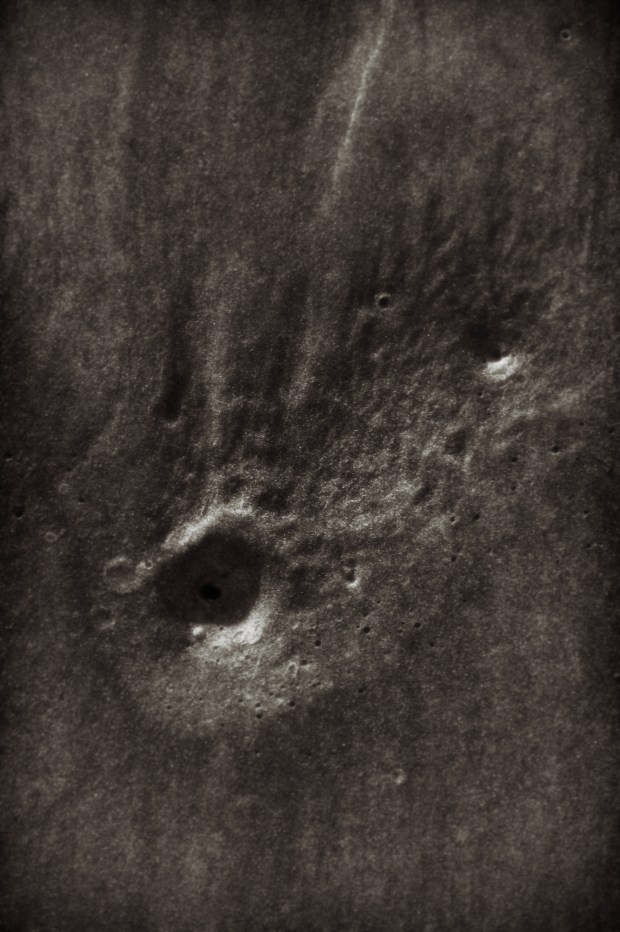
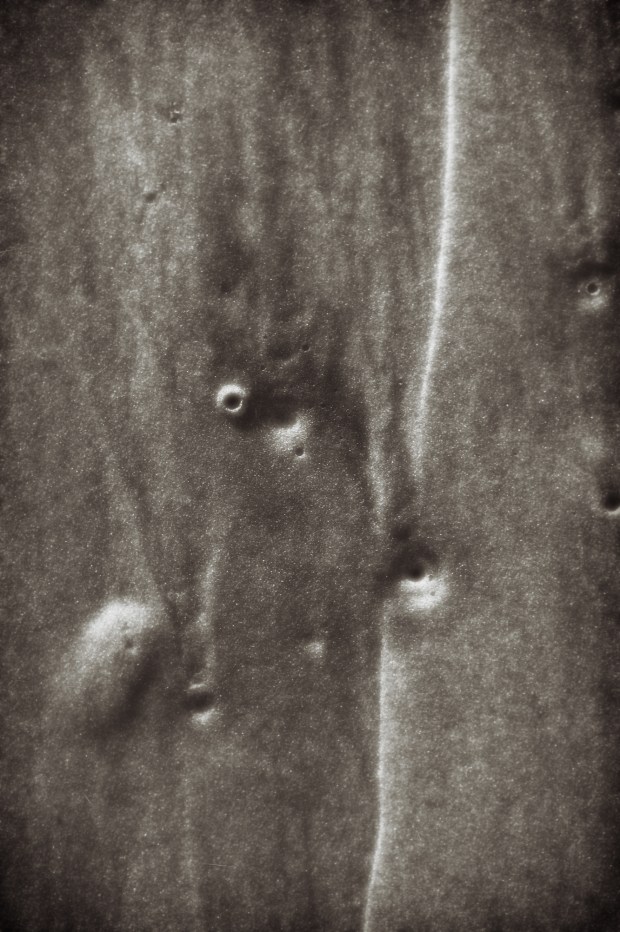
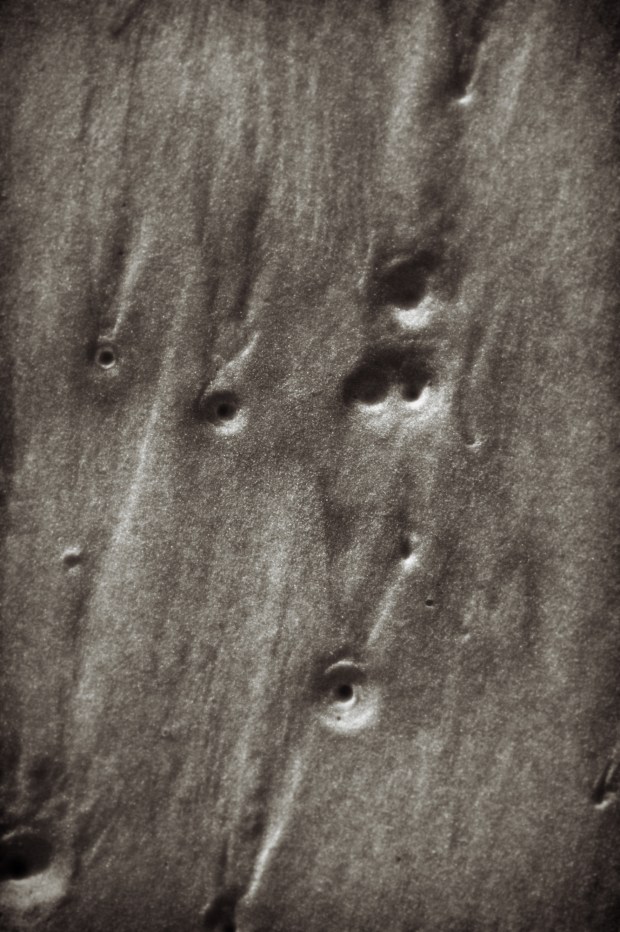
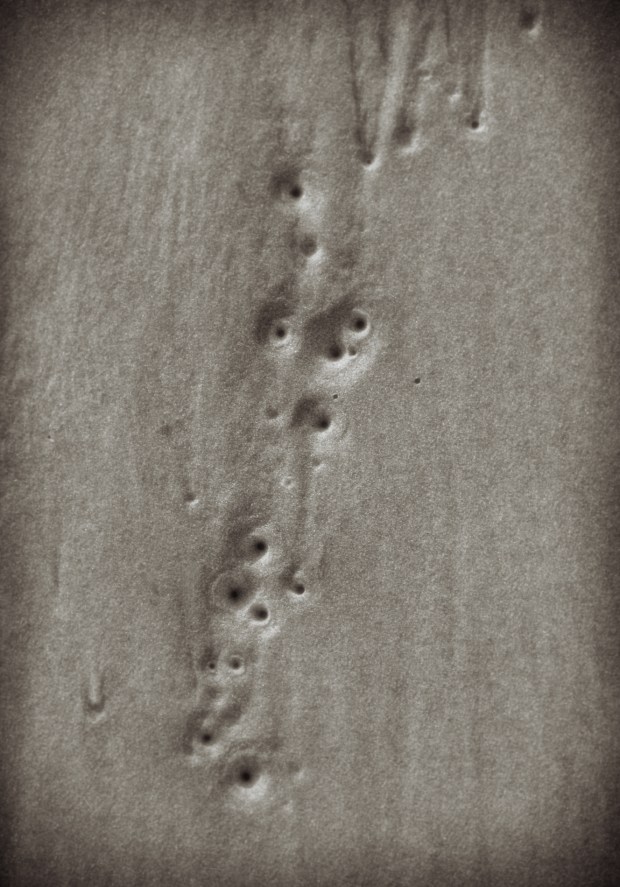
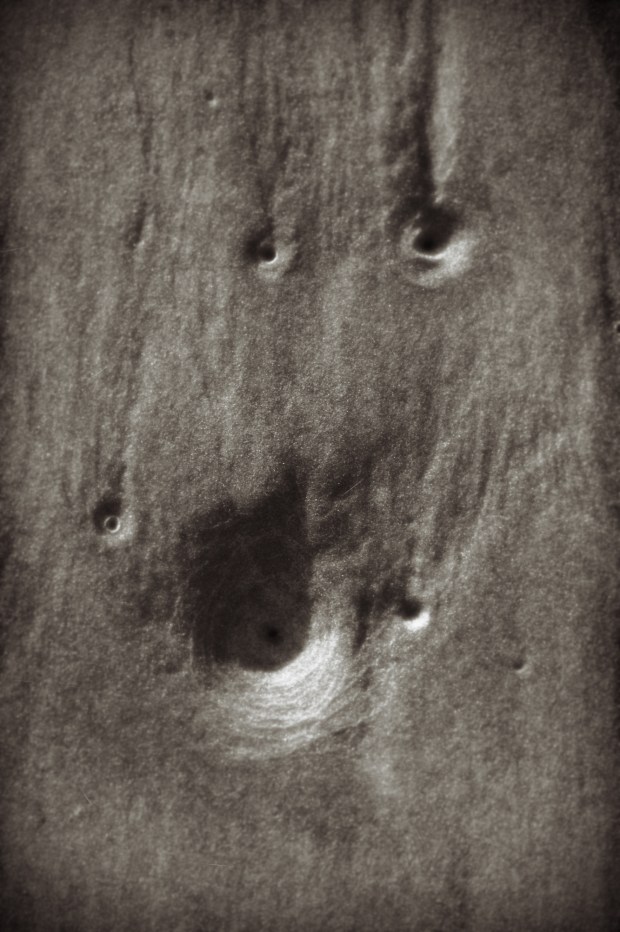
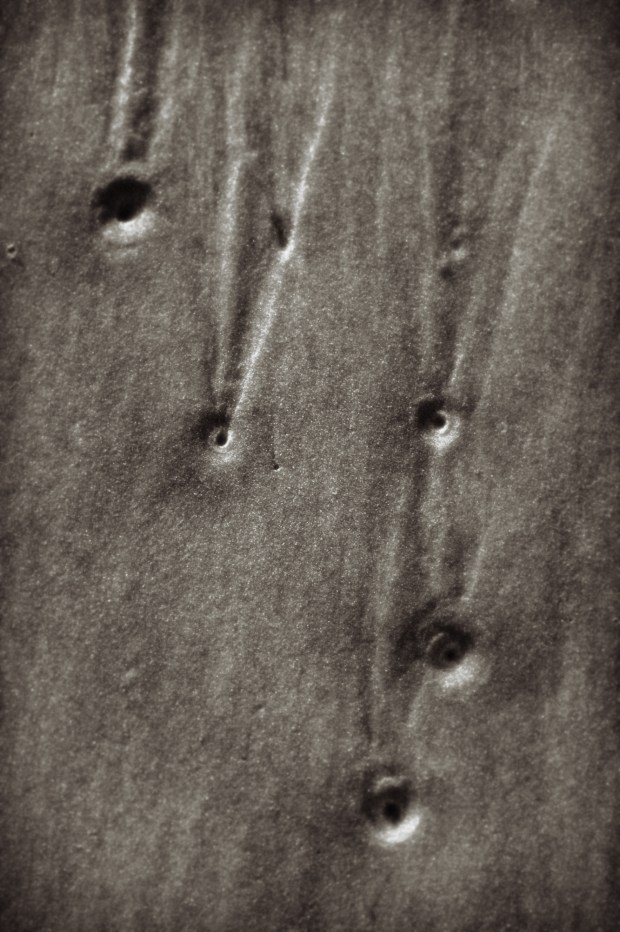
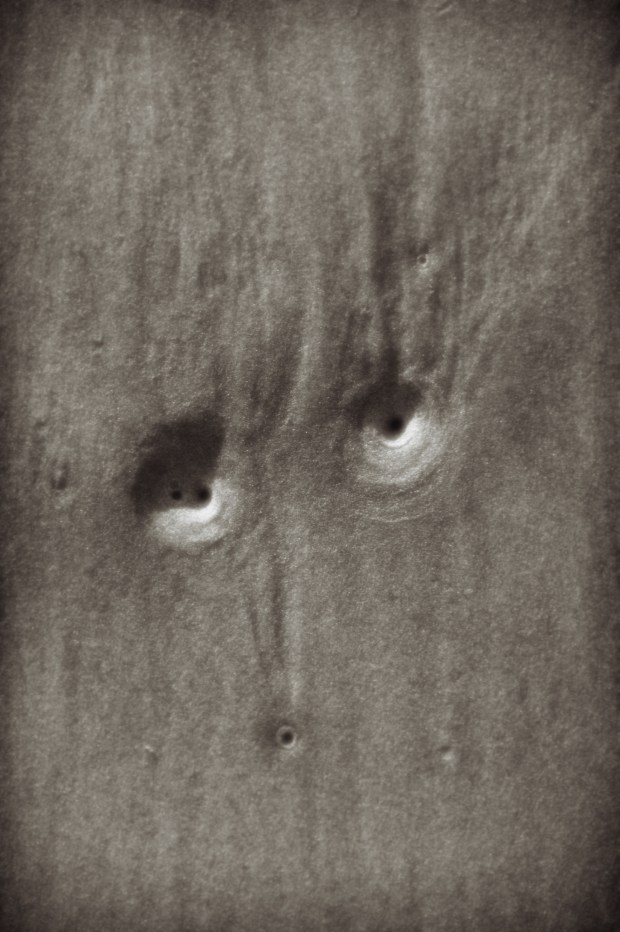
True of my latest hike as well… I love watching wet sand bubble around me at the beach and have always thought this was due to clams beneath the surface. I got curious but I had to wait until I was back at home to do some digging on what is actually happening. Trapped air, not bivalves, is responsible for the bubbles in the swash. As the wave washes out, air pushes upward, leaving holes and patterns in the sand that look to me like Nazca lines and moon craters and interstellar bodies all at once. It’s lovely to look at and now I know the mechanisms at work behind it…